
Vacant Properties: Risks, Insurance Requirements, and How to Stay Compliant from Day One
Vacant properties face significantly higher risks and stricter insurance conditions. Here’s what owners, lenders, and asset managers must do from Day 1 to stay protected and compliant.
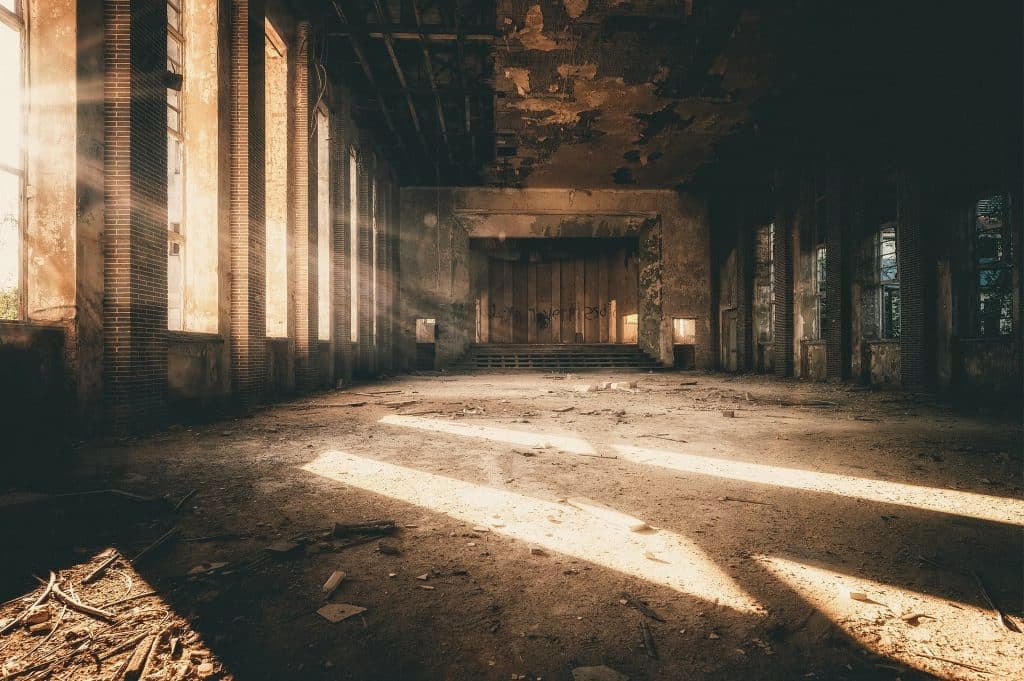
Vacant Properties: Risks, Insurance Requirements, and How to Stay Compliant from Day One
Across the UK, the number of empty commercial buildings continues to rise. Economic pressures, hybrid working patterns, retail contraction, insolvencies, and redevelopment delays have all contributed to increasing vacancy rates—particularly in town and city centres.
Recent estimates indicate there are more than 170,000 vacant commercial properties nationwide, with office vacancies climbing in most major cities. In just our local district of Blackpool alone, it is estimated that there are more than 4,500 empty homes. While an empty building might appear low risk at first glance, the reality is very different.
The moment a property becomes vacant, its risk profile changes dramatically. And from that same moment, insurers expect action.
If those actions aren’t taken immediately—and documented clearly—owners and asset managers may find themselves exposed to higher premiums, restricted cover, or rejected claims.
This is where understanding both vacant property risk and Day 1 insurance requirements becomes critical.
What Is a Vacant Property?
A property is generally considered vacant when it is unoccupied, no longer being used for its intended purpose, and substantially empty of contents or furnishings.
While definitions vary slightly between insurers and local authorities, vacancy status is commonly triggered once a building has been unoccupied for more than 30 days.
Properties become vacant for many reasons, including:
- Periods between lease agreements
- Tenant insolvency or repossession
- Receivership or lender possession
- Long-term refurbishment or redevelopment
- Newly completed buildings awaiting occupation
- Permanently unused or derelict premises
Whether the vacancy is planned or unexpected, the risk exposure increases immediately.
Why Vacant Buildings Are High Risk
An occupied building benefits from passive protection. People lock doors. They report leaks. They notice suspicious activity. They maintain heating. They prevent small issues from escalating.
Vacant buildings have none of that.
Without regular oversight, problems develop faster and often go undetected until significant damage has already occurred.
Common risks include:
- Vandalism and deliberate damage
- Arson and fire-related incidents
- Burglary, theft, and metal stripping
- Squatting and unauthorised occupation
- Trespass and anti-social behaviour
- Fly-tipping and environmental damage
- Undetected water leaks or burst pipes
The financial impact can be severe. Repair costs regularly reach tens—or even hundreds—of thousands of pounds. In some cases, damage can exceed the building’s value.
Beyond direct cost, owners may face:
- Complaints from neighbouring properties
- Reputational damage
- Local authority intervention
- Enforcement action relating to health, safety, or environmental issues
From an insurer’s perspective, a vacant property represents significantly elevated risk. That’s why policy terms change quickly once occupancy ceases.
The Insurance Shift: What Happens When a Property Becomes Vacant
Most standard commercial building insurance policies include limited vacant cover—often up to 30 days.
Beyond that period, insurers typically impose stricter conditions, including:
- Reduced cover (for example, exclusion of escape of water or malicious damage)
- Increased excesses
- Higher premiums
- Mandatory security requirements
- Full transition to specialist vacant property insurance
If policy conditions are not followed precisely, insurers may refuse to pay out on claims.
That’s why Day 1 compliance is so important.
What Are Day 1 Insurance Requirements?
When possession of a property is taken—particularly in cases of repossession, insolvency, or receivership—insurers expect immediate risk-reduction measures to be implemented.
These are commonly referred to as Day 1 insurance requirements.
They typically require owners or managing agents to:
- Secure all access points
- Remove or mitigate internal hazards
- Isolate services that present fire or flood risk
- Implement physical protection where necessary
- Establish ongoing inspection and management procedures
The clock starts the moment the property becomes vacant—or the moment possession is formally taken.
Failure to act immediately can invalidate cover.
How to Meet Day 1 Requirements Properly
Meeting insurer expectations isn’t about ticking boxes. It’s about genuinely reducing risk and being able to evidence that reduction.
Here’s what proper Day 1 compliance should include.
1. Immediate Lock Changes and Access Control
Once possession is obtained, control of access must be established immediately.
Existing locks may be compromised. Former tenants, contractors, or unknown third parties may still hold keys. Insurers typically require all external doors and vulnerable access points to be secured.
Best practice includes:
- Full lock changes on all external doors
- Installation of British Standard–compliant locks
- Securing roller shutters and secondary access points
- Documented key control procedures
This eliminates uncertainty and demonstrates clear control over the premises.
2. Utility Isolation and Risk Reduction
Live utilities represent one of the greatest risks in vacant buildings.
Water damage alone accounts for some of the most expensive vacant property claims. Gas and electrical systems introduce fire and explosion risks.
Typical insurer requirements include:
- Draining down cold water systems
- Isolating and capping gas supplies
- Switching off and securing electrical systems (where appropriate)
- Securing meters and service cupboards
- Recording meter readings for audit purposes
These measures significantly reduce the risk of catastrophic loss—and are often mandatory policy conditions.
3. Site Clearance and Housekeeping
Poor housekeeping is viewed by insurers as preventable risk.
Accumulated waste, abandoned stock, combustible materials, and fly-tipped rubbish increase fire risk and attract trespassers.
A compliant approach includes:
- Internal clearance of waste and loose materials
- External removal of dumped rubbish
- Safe disposal in line with Environment Agency regulations
- Removal of items that could assist forced entry
A clean site is safer, less attractive to criminals, and easier to monitor.
4. Boarding and Physical Protection
Damaged glazing, weak doors, and exposed access points significantly increase vulnerability.
Insurers often require vulnerable areas to be physically protected, particularly in higher-risk locations.
Options may include:
- Steel security screens
- Boarding solutions
- Reinforced door protection
- Securing roof access points
Physical protection acts both as a barrier and as a visible deterrent.
5. Ongoing Inspections and Documentation
Day 1 compliance is only the beginning.
Most vacant property policies require regular documented inspections, often weekly or fortnightly.
Inspections should:
- Check for signs of forced entry
- Identify water ingress or structural deterioration
- Confirm security measures remain intact
- Be recorded with dated reports and photographic evidence
Without documented inspections, claim defensibility weakens considerably.
Security Beyond Day 1: Protecting the Asset Long-Term
While physical measures are essential, modern vacant property protection increasingly relies on intelligent, remotely monitored systems.
Traditional static alarms and padlocks are often insufficient. If an alarm activates but no one verifies or responds appropriately, damage may already be done.
Remotely monitored systems connect to a professional Alarm Receiving Centre (ARC), providing:
- 24/7 real-time monitoring
- Immediate verification of alerts
- Rapid response coordination
- Reduced false alarms
- Lower long-term cost compared to permanent guarding
This approach allows early intervention—often preventing minor incidents from escalating into major claims.
When On-Site Guarding Is Necessary
Certain situations require more than remote monitoring.
Properties are particularly vulnerable:
- Immediately after repossession
- During contentious tenant removal
- In areas with known criminal activity
- When squatting risk is high
Temporary on-site guarding during this initial stabilisation period can:
- Provide a visible deterrent
- Support safe handover and lock changes
- Identify local threat patterns
- Prevent immediate occupation
Once risk levels are assessed and controlled, guarding can often transition to remote monitoring—maintaining protection while reducing cost.
Who Is Responsible?
In most commercial leases, the landlord is responsible for building insurance, while tenants insure their contents.
If a tenant vacates, landlords must be notified immediately. Insurance terms may need to change at once.
Lenders, receivers, and asset managers who take possession assume responsibility for ensuring compliance from Day 1. Delays, assumptions, or incomplete measures can result in significant uninsured exposure.
The Bottom Line: Vacant Doesn’t Mean Low Risk
An empty building is not a neutral asset. It is a changing risk profile.
From the first day of vacancy, insurers expect decisive, documented action. Securing access, isolating utilities, clearing hazards, protecting vulnerable areas, and establishing inspection routines are not optional—they are essential.
Done properly, these steps:
- Protect the building
- Preserve asset value
- Maintain insurability
- Strengthen claim defensibility
- Reduce long-term security costs
Vacant property management is not about reacting to incidents. It’s about preventing them—and proving you’ve taken every reasonable step to do so.
If you control vacant assets, the standard is simple: Act immediately. Document everything. Stay compliant from Day One.